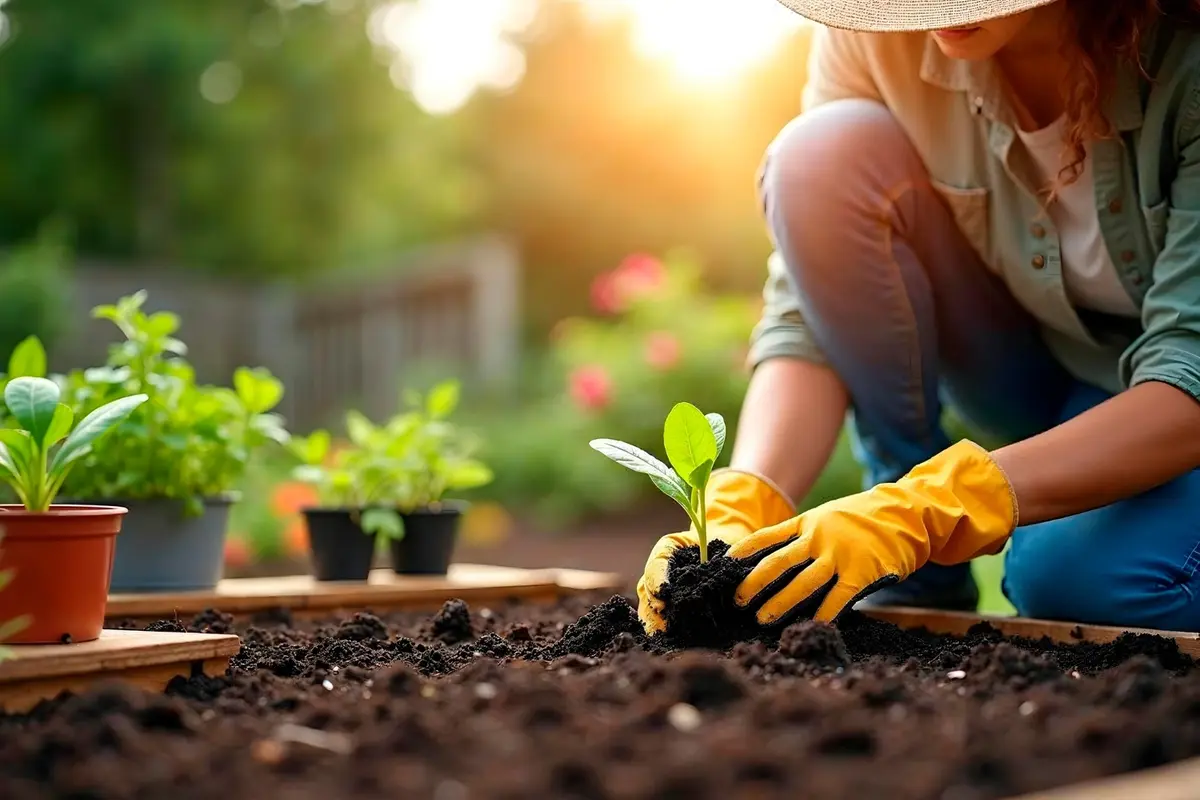
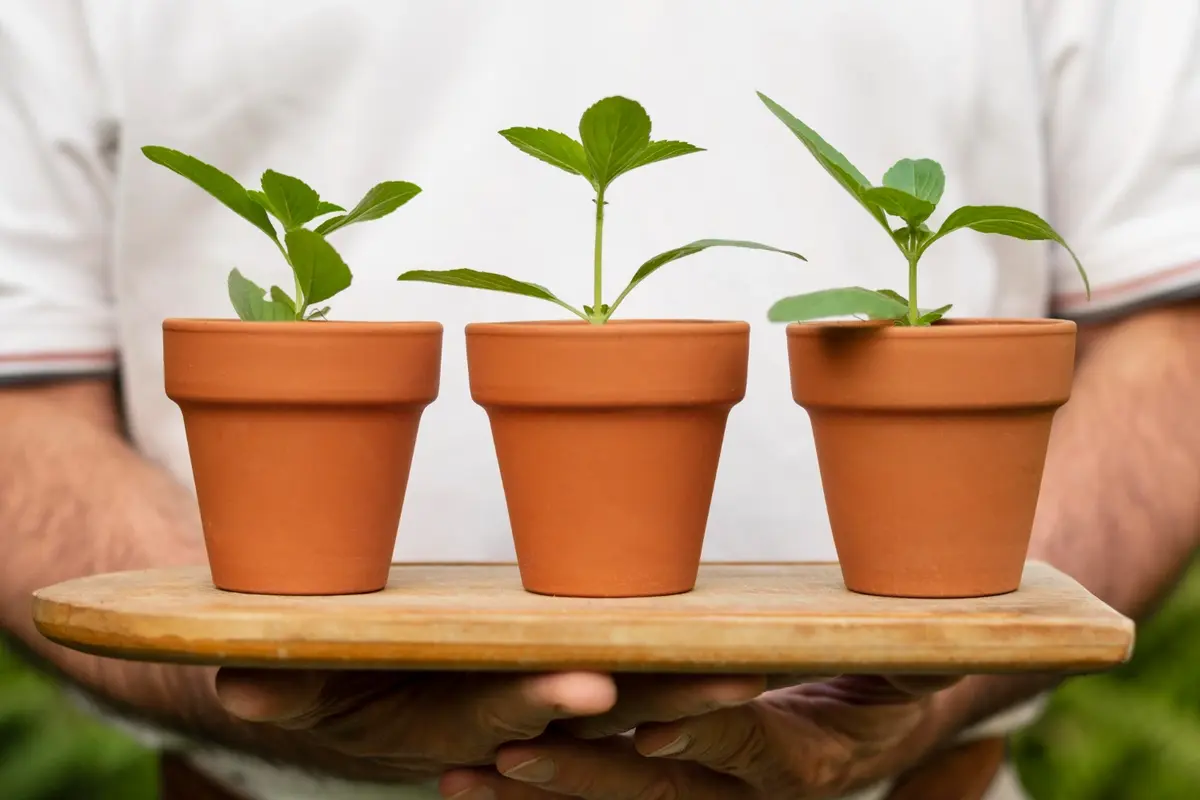
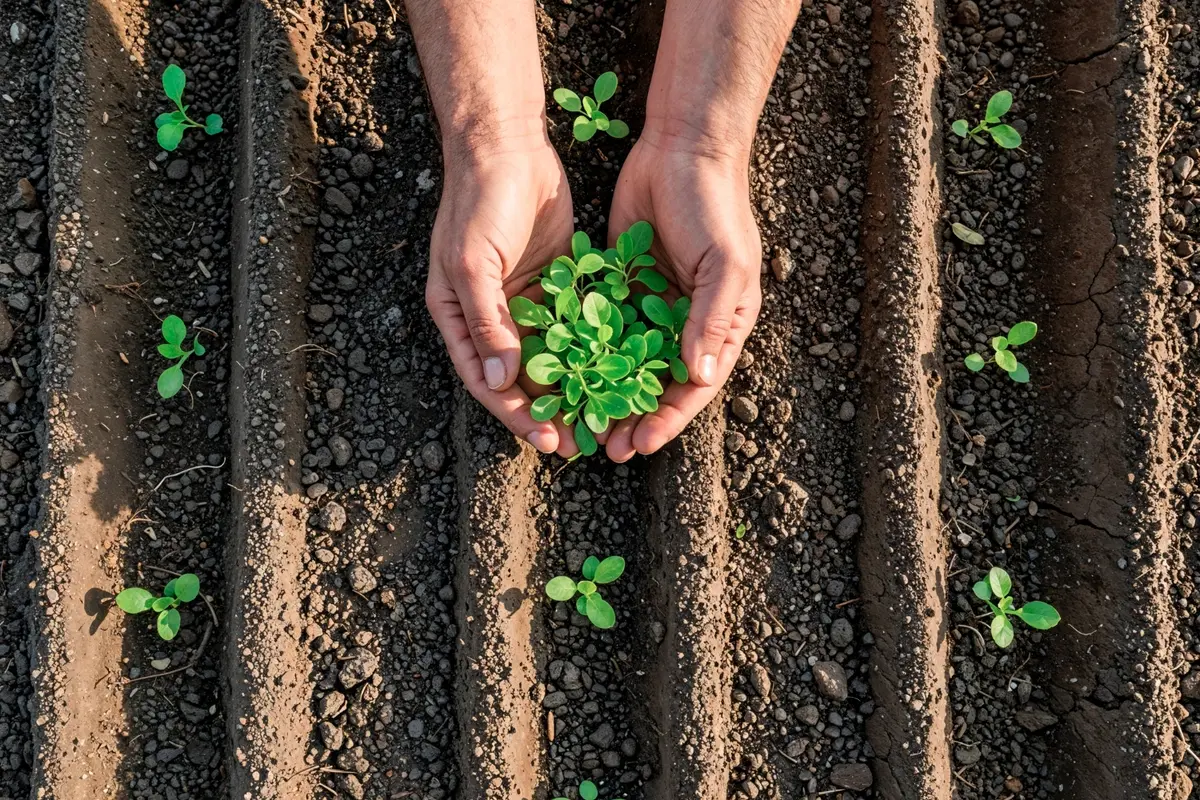
In a world where stress, anxiety, and the hustle and bustle of life have become common hurdles, folks are on the lookout for natural and effective methods to boost their emotional health. One amazing solution is a simple, age-old activity—gardening. It’s not just about planting seeds or growing pretty flowers; gardening offers a therapeutic getaway that nurtures both the mind and spirit.
Studies and personal stories consistently showcase the Benefits of Gardening for Mental Health, revealing that even a few minutes spent with plants can lower stress, soothe the mind, and instill a sense of purpose. Taking care of plants promotes mindfulness, allowing people to slow down, take deep breaths, and reconnect with nature. Whether it’s maintaining a home garden, watering houseplants, or creating a small balcony garden, this calming activity can greatly uplift mood, strengthen emotional resilience, and improve overall mental wellness. As more individuals tap into the healing magic of nature, gardening is becoming one of the easiest and most fulfilling ways to regain mental balance and infuse more positivity into everyday life.
Table of Contents
10 Benefits of Gardening for Mental Health
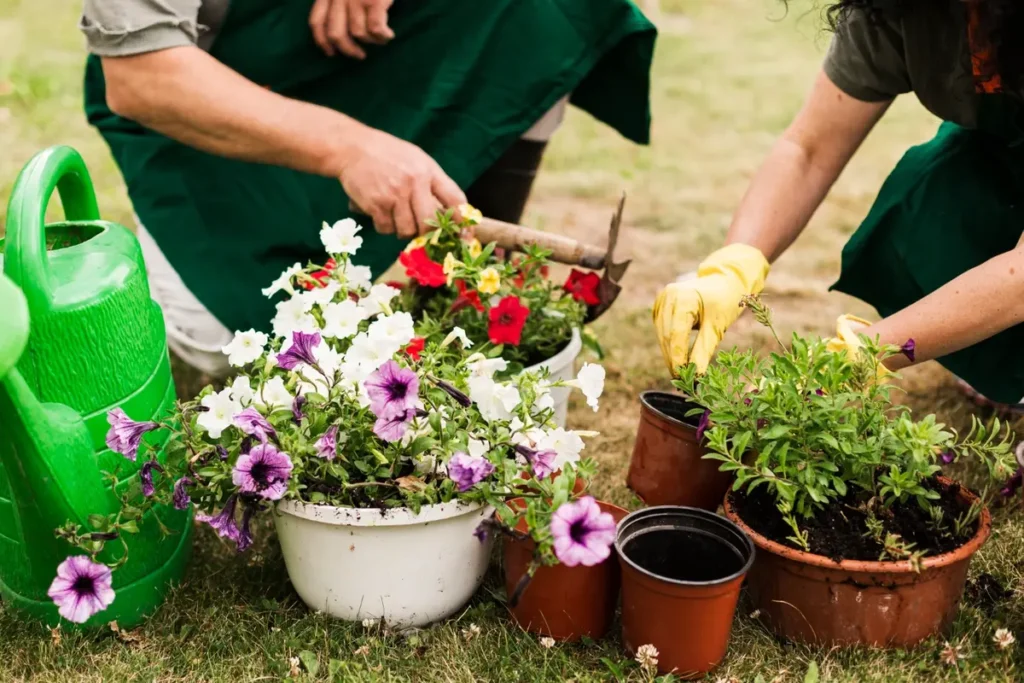
1. Reduces Stress and Anxiety
Gardening offers a soothing atmosphere that can help lower stress and anxiety. The repetitive tasks of digging, watering, and caring for plants create a meditative vibe that calms the mind. Research indicates that being around greenery reduces cortisol—the stress hormone—helping both the body and mind to relax naturally.
2. Boosts Mood and Increases Happiness
Taking care of plants boosts the production of serotonin and dopamine, those “feel-good” chemicals that lift your mood. Watching plants grow, or flowers bloom, brings a sense of happiness and achievement that naturally lifts your spirits. Just a few minutes outside or with houseplants can quickly improve your mood.
3. Encourages Mindfulness and Presence
Gardening is all about paying attention to simple things like checking the soil, feeling different textures, or spotting new growth. These little moments help shift your focus away from worries and ground you in the present. This kind of mindful awareness can really cut down on overthinking and boost your emotional stability.
4. Gives a Sense of Purpose and Achievement
Taking care of a plant and watching it thrive brings a real sense of satisfaction. Every little win—like new leaves, blooming flowers, or picking a vegetable—reminds you that your hard work counts. This sense of purpose can be particularly beneficial for anyone struggling with feelings of depression, loneliness, or low self-esteem.
5. Improves Focus and Concentration
Gardening involves planning, watching, and making choices, which can enhance your thinking skills. Spending time with plants can help you focus better and clear your mind. It’s a relaxed, natural method to help your brain concentrate more effectively without any stress.
6. Reduces Symptoms of Depression
Being in nature, soaking up the sun, and breathing in fresh air can really help fight off feelings of depression. Gardening is a great way to interrupt those negative thought patterns by providing a positive task for your mind to focus on. Plus, the physical activity gets those endorphins flowing, which can really lighten your mood.
7. Encourages Physical Activity, Which Supports Mental Health
Gardening requires some light to moderate physical activity—like digging, trimming, and lifting pots—which gets your body moving and boosts your energy. When you engage in physical activity, your body releases natural chemicals that lift your mood and help ease tension, fatigue, and stress. This mix contributes to improved mental and emotional health.
8. Builds Emotional Resilience
Plants show us the value of patience, consistency, and acceptance. Not every plant thrives as expected, and gardeners get to learn how to adapt, observe, and keep trying. This journey fosters emotional resilience, enabling people to face life’s challenges with greater calm and confidence.
9. Strengthens Connection With Nature
Today’s way of living frequently separates individuals from nature. Gardening helps to mend that relationship, fostering a serene connection between people and the environment. This bond offers a feeling of stability, clears the mind, and encourages relaxation and emotional harmony.
10. Helps Reduce Feelings of Loneliness
Gardening fosters a feeling of togetherness and accountability. Taking care of plants and observing their growth can help alleviate feelings of loneliness, particularly for those who live alone or are in high-stress situations. Engaging in community gardening or exchanging plants with others also offers opportunities for socializing and creates a sense of community.
Conclusion
Gardening is way more than just a hobby—it’s a fantastic, natural therapy that supports both your mind and body. In a world that’s all about stress, speed, and digital chaos, spending time with plants gives you a calm escape and helps restore your balance. Whether you’re watering a few pots on your balcony or taking care of a whole garden at home, looking after living plants can lower anxiety, lift your spirits, and give you a real sense of achievement. The fresh air, sunlight, and light exercise really clear your mind, while connecting with nature boosts your emotional health. Plus, gardening adds some structure to your day, promotes mindfulness, and can even help you make friends when you do it in community gardens. All in all, gardening is one of the easiest and most effective ways to naturally enhance your mental health, reminding us that healing often starts with the simple act of planting a seed and watching it thrive.