In today’s fast-paced and super competitive academic world, students are under a lot of pressure from their studies, exams, digital distractions, and not enough time outdoors. Because of this, many students deal with stress, struggle to concentrate, and miss out on practical life skills that go beyond what’s in their textbooks. Gardening is a straightforward yet incredibly effective way to tackle these issues by blending learning, creativity, and personal growth all in one go.
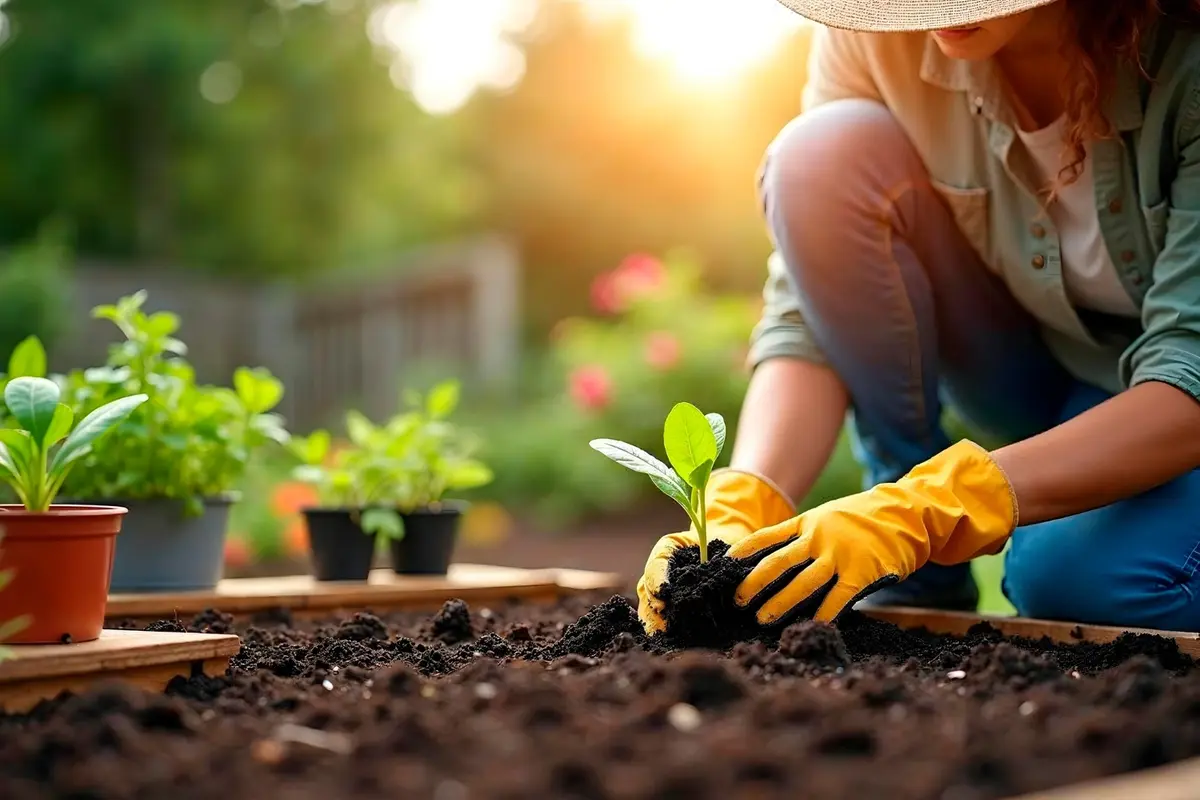
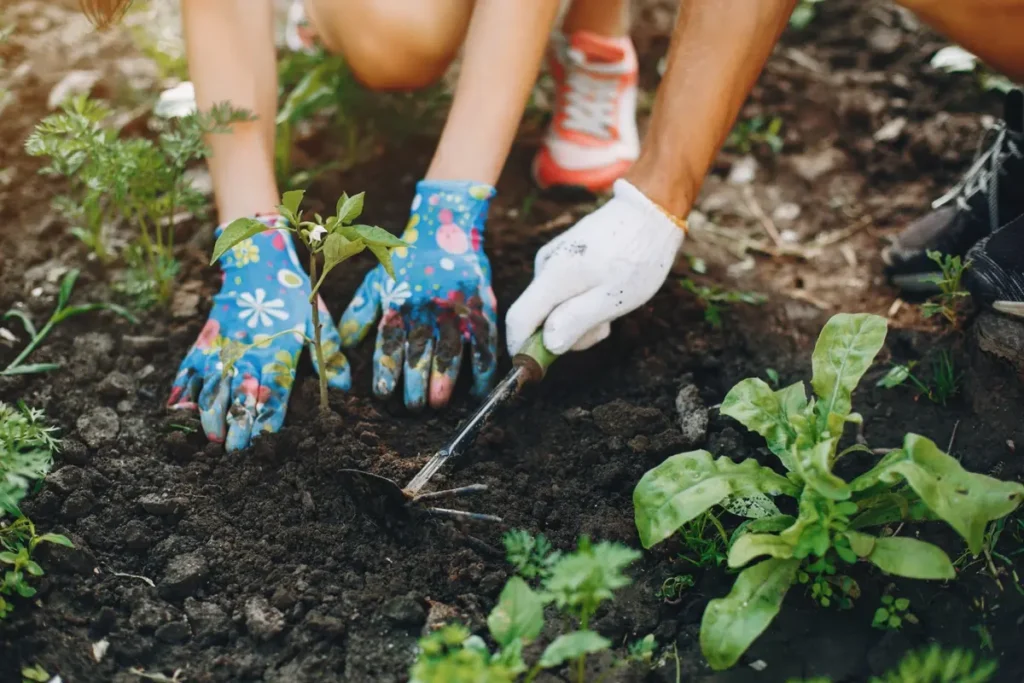
The Benefits of Gardening for Students go way beyond just growing plants—it boosts focus, fosters responsibility, and enhances emotional well-being. By getting their hands dirty with soil, seeds, and plants, students pick up real-world knowledge about nature, science, and sustainability while also building patience and problem-solving abilities. Plus, gardening gives them a healthy break from screens, helping them reconnect with nature and enjoy the rewarding experience of nurturing life. Whether it’s done at home, in school gardens, or through educational programs, gardening helps create a well-rounded learning environment that encourages academic success along with physical, mental, and social growth.
Table of Contents
10 Benefits of Gardening for Students
1. Improves Concentration and Focus
Gardening boosts students’ concentration by getting them involved in hands-on tasks that need focus and care. Activities such as planting seeds, watering plants, and watching them grow help students remain engaged and attentive. Consistent participation in gardening can lessen mental distractions and enhance attention span, which in turn benefits their academic performance.
2. Reduces Stress and Academic Pressure
Students frequently deal with stress from exams, assignments, and the pressure to perform. Gardening offers a soothing space where students can unwind and escape from academic stress. Being around plants can reduce stress, clear the mind, and enhance emotional stability, helping students feel more at ease and inspired.
3. Encourages Responsibility and Discipline
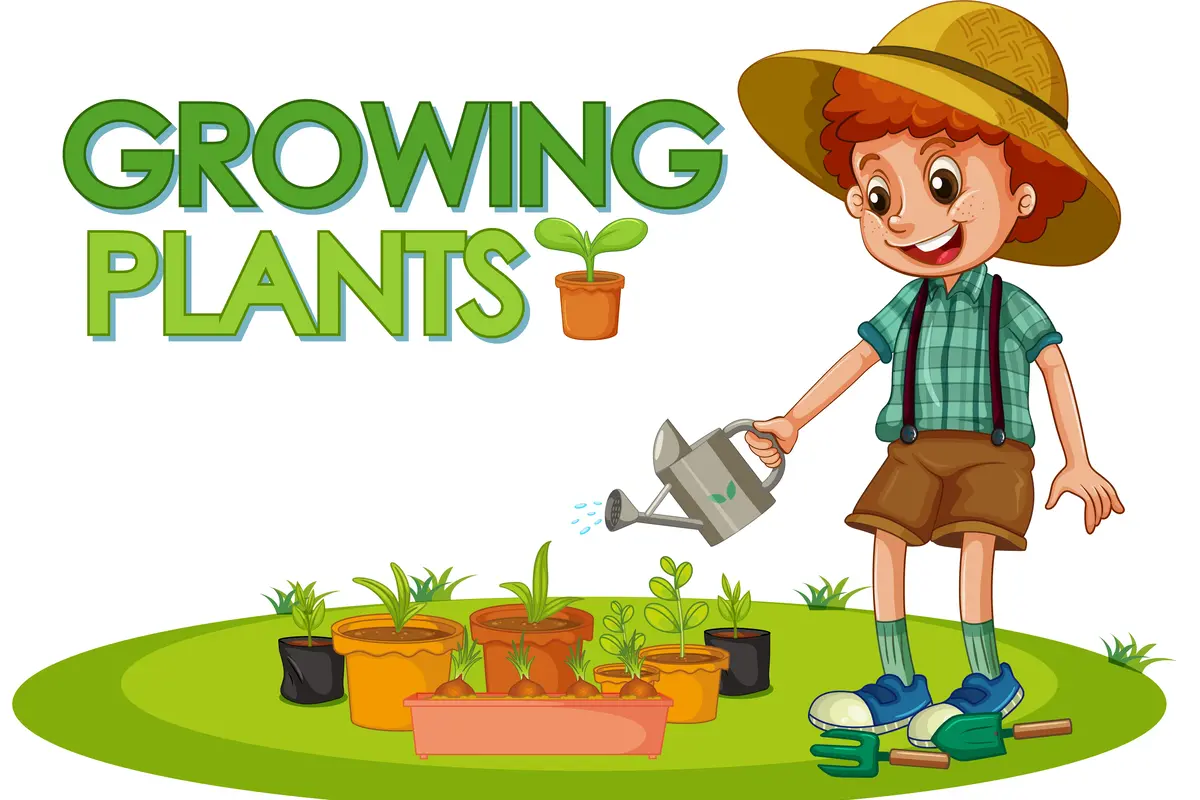
Taking care of plants helps students learn responsibility since they need regular care and attention to thrive. When students water plants, pull weeds, or shield them from pests, they grasp the significance of consistency, discipline, and managing their time. Over time, these habits start to show in both their studies and personal lives.
4. Enhances Learning Through Practical Experience
Gardening provides practical learning experiences that enhance what students learn in the classroom. Through gardening, students acquire hands-on knowledge about plant biology, soil health, weather patterns, and environmental science. This hands-on method makes learning more interesting, boosts comprehension, and aids students in retaining concepts more effectively than just theoretical study.
5. Develops Patience and Perseverance
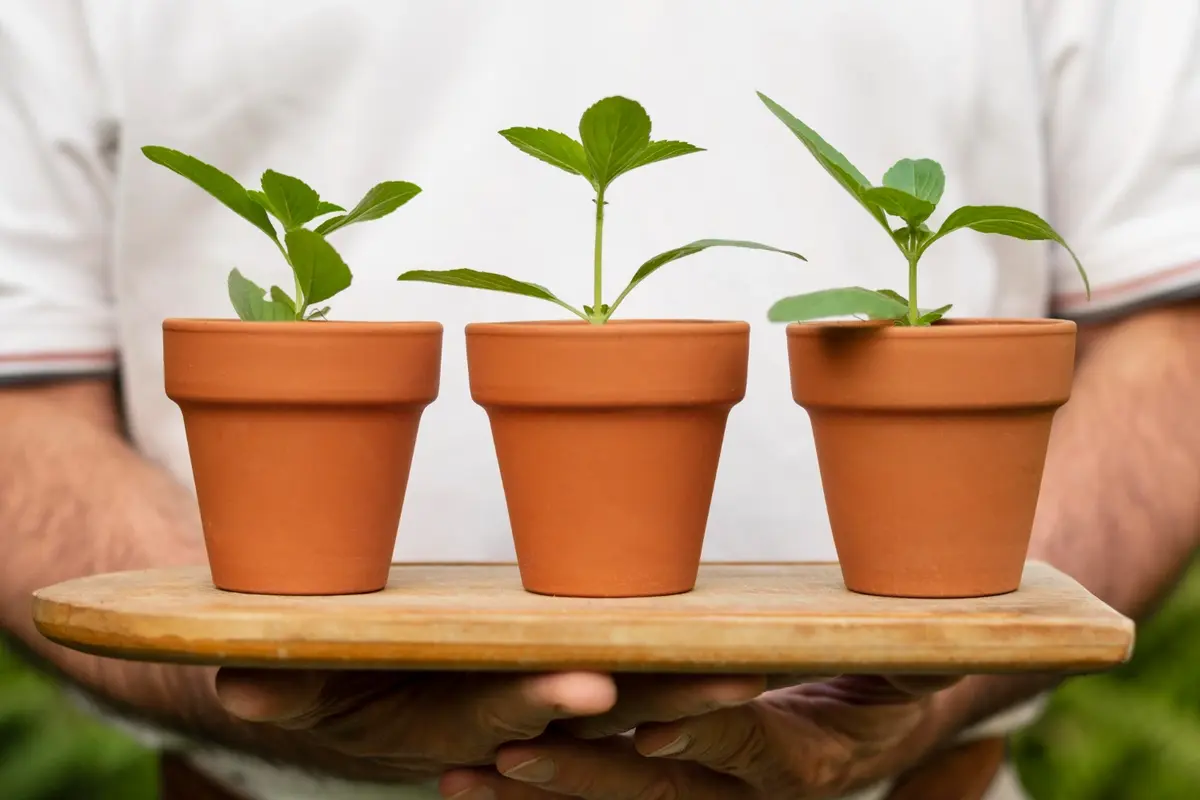
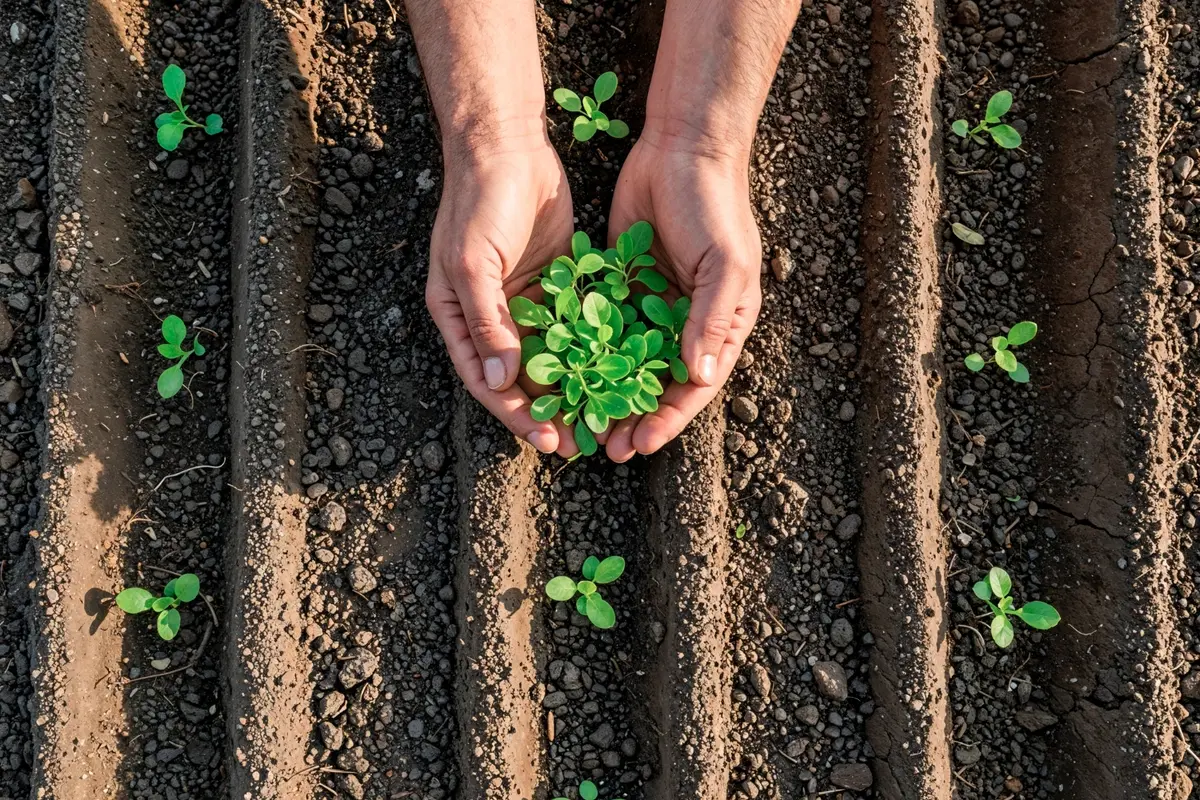
Growing plants takes time, and gardening shows students that results don’t come right away. By being patient as seeds sprout and plants develop, students pick up on the importance of patience and perseverance. This experience helps them grasp the significance of consistent effort, which is crucial for both academic achievement and personal development.
6. Improves Physical Health and Activity Levels
Gardening includes light physical tasks like digging, watering, bending, and moving pots. These actions boost physical fitness, enhance flexibility, and increase overall energy. Engaging in healthy physical activities promotes better mental clarity and keeps students feeling more lively and refreshed all day long.
7. Builds Environmental Awareness
By getting into gardening, students gain a better grasp of nature and their role in taking care of the environment. They pick up knowledge about sustainability, conserving water, composting, and why it’s crucial to safeguard our natural resources. This understanding fosters eco-friendly practices and responsible attitudes towards the environment right from a young age.
8. Boosts Confidence and Self-Esteem
Seeing plants thrive because of their efforts really boosts students’ sense of accomplishment. Growing flowers or veggies successfully helps build their confidence and self-worth, particularly for those who might find academics challenging. Gardening teaches them that their hard work can produce clear, positive outcomes.
9. Encourages Teamwork and Social Skills
Working together in gardens or school plots teaches students about teamwork and collaboration. They divide tasks, share thoughts, and help one another finish their work. These experiences enhance their communication abilities, foster friendships, and cultivate a feeling of community among the students.
10. Promotes Healthy Eating Habits
When students cultivate their own fruits or vegetables, they tend to show a greater interest in making healthy food choices. Gardening allows them to grasp the origins of their food and motivates them to consume fresh, nutritious produce. This relationship fosters healthier lifestyle habits and enhances their long-term well-being.
Conclusion
Gardening is an amazing way to learn that involves much more than just planting and harvesting. For students, the perks of gardening include better focus, less stress, increased responsibility, and essential life skills that aid both their academic and personal development. By interacting with nature, students gain patience, confidence, awareness of the environment, and healthier habits. Gardening promotes hands-on learning, teamwork, and emotional health, which makes education more fulfilling and well-rounded. Whether done at home or in schools, gardening helps students cultivate not just plants, but also discipline, curiosity, and a lasting bond with nature.