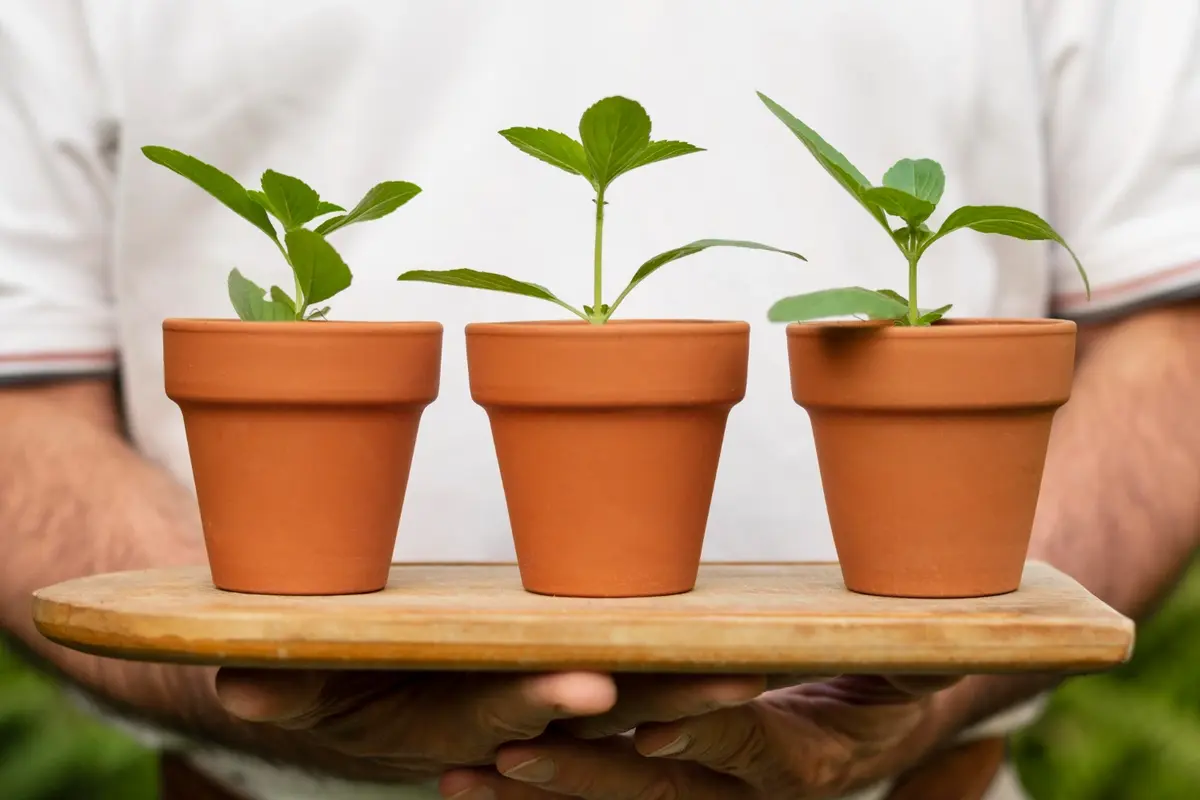
Winter can be a challenging season for gardeners, as low temperatures, frost, and cold winds can severely damage delicate plants. Knowing how to protect your garden plants from winter weather is essential to keep them healthy and thriving until spring arrives. With the right preparation and a few smart gardening techniques, you can protect your plants from the cold, avoid winter damage, and make sure your garden stays green and strong even in the toughest months.
Table of Contents
How to Protect Your Garden Plants from Winter Weather
1. Understand Your Local Winter Climate
To keep your garden plants safe from winter weather, it’s important to know how harsh the winter is where you live. Some places have mild cold, while others deal with frost, fog, and freezing temperatures. By understanding the lowest temperatures, frost times, and wind conditions, you can pick the right protection methods and prevent putting your plants under extra stress.
2. Apply Mulch to Insulate the Soil
Mulching is super crucial for protecting plants in winter since it serves as a cozy blanket for the soil. A layer of organic mulch—like dry leaves, straw, compost, or paddy husk—helps keep the soil temperature steady, stops moisture from evaporating, and shields plant roots from the cold. By putting mulch around your plants, you ensure they stay warm and healthy all winter long.
3. Water Plants at the Right Time
Proper watering is super important for keeping your plants alive in winter. Wet soil holds onto heat better than dry soil, which helps shield the roots from the cold. Make sure to water your plants in the morning and steer clear of overwatering, since too much moisture can cause root rot when it’s cold. A good watering routine helps your plants handle winter stress better.
4. Cover Plants During Frost and Cold Nights
Protecting your plants on cold nights is a smart move to keep them safe from frost and cold winds. You can use stuff like garden fabric, old sheets, jute bags, or frost blankets to keep the heat around your plants. Just make sure to put the covers on in the evening and take them off in the morning so they can get some sunlight and air, which helps avoid any fungal issues.
5. Protect Potted Plants from Cold Exposure
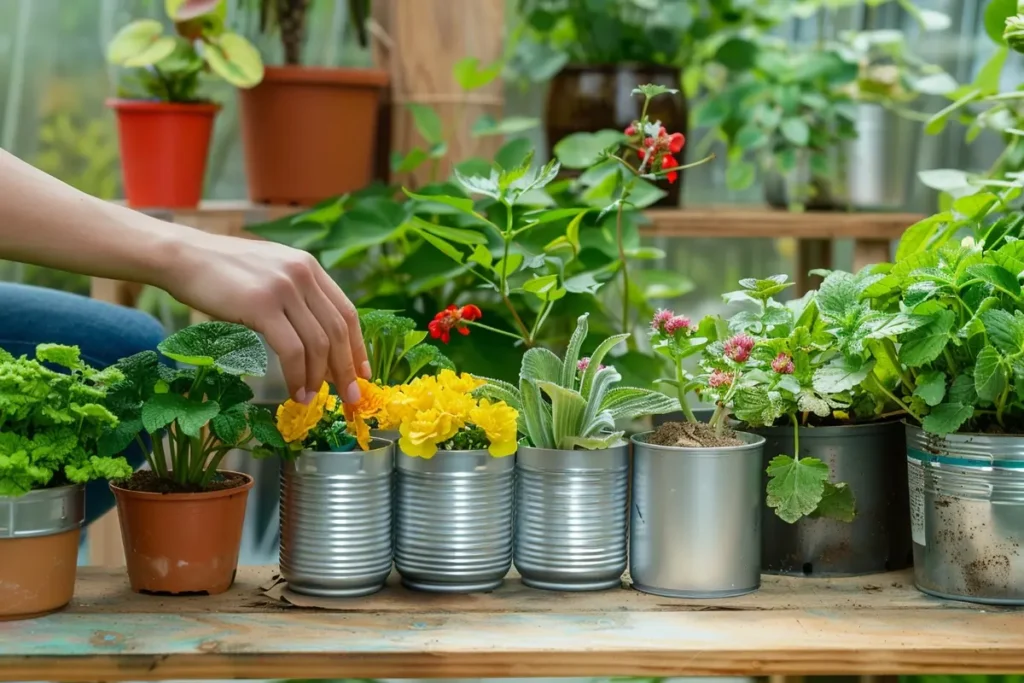
Potted plants are at a higher risk during winter since their roots are open to chilly air from every direction. To keep them warm, you can move the pots nearer to walls, cluster them together, or put them in protected spots. If it gets really cold, delicate potted plants can be brought inside or placed on a sunny balcony for extra safety.
6. Use Wind Barriers to Reduce Cold Damage
Cold winter winds can really dry out plants and lead to serious harm, especially for young and delicate ones. Putting up temporary wind barriers like bamboo screens, shade nets, or cloth-covered fences can help slow down the wind and keep moisture from escaping. Wind protection is super crucial for vegetable gardens and open fields.
7. Grow Winter-Hardy Plants
Selecting plants that can handle cold weather helps minimise the need for additional protection. Veggies such as spinach, peas, carrots, beetroot, cabbage, and cauliflower thrive in winter conditions. These plants are built to withstand low temperatures and keep growing consistently, even in cool conditions.
8. Avoid Heavy Pruning During Winter
Heavy pruning during winter can stimulate new growth, which is highly sensitive to cold damage. It’s better to skip the heavy pruning and just take out any dead, sick, or broken branches. Keeping plants a bit bushy helps them save energy and handle the cold much better.
9. Improve Soil Health with Organic Manure
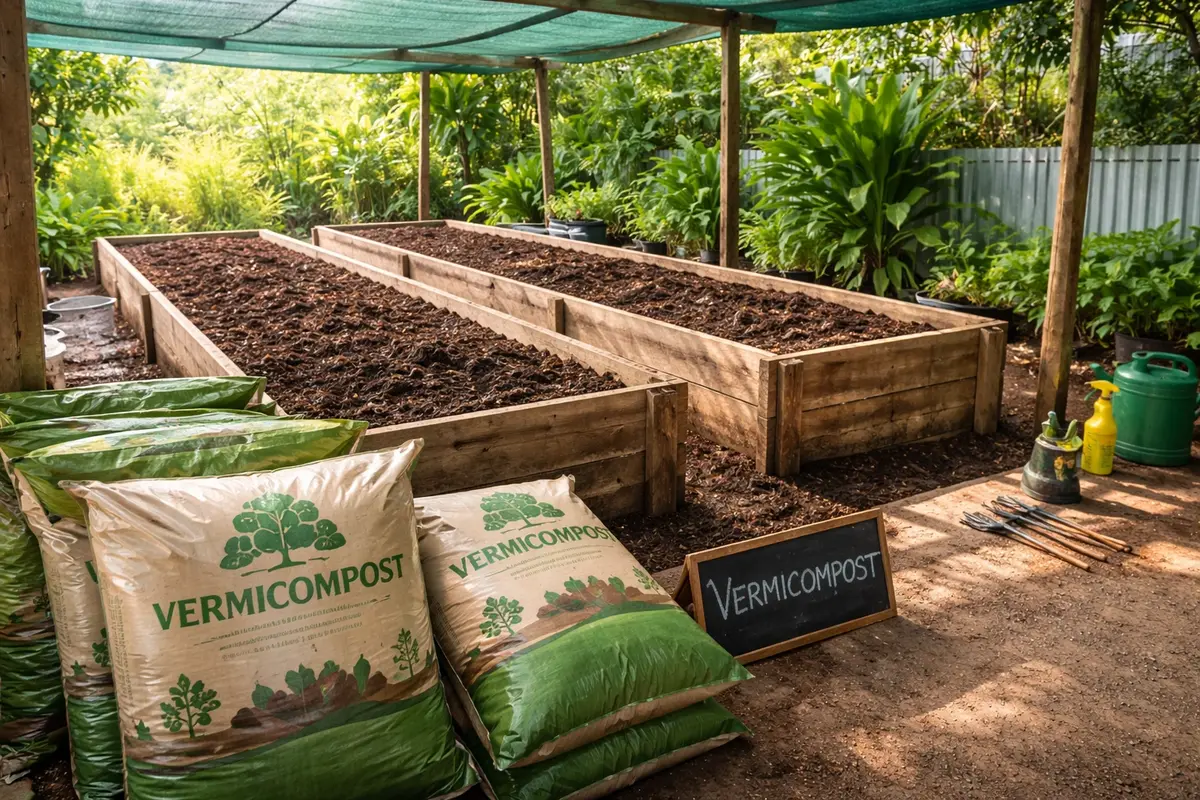
Healthy soil leads to tougher plants that handle winter stress more effectively. Applying organic manure such as vermicompost, well-rotted cow dung, or neem cake before winter improves soil structure and nutrient availability. Strong, well-nourished plants are more resistant to cold, pests, and diseases.
10. Inspect Plants Regularly in Winter
Keeping an eye on your plants during winter is key to spotting early signs of disease, pests, or cold damage. By taking off any damaged leaves, boosting air circulation, and fixing moisture problems, you can avoid bigger issues down the line. Consistent observation ensures your plants stay healthy throughout the winter season.
Conclusion
Winter doesn’t have to be tough on your garden. If you know how to shield your plants from the winter chill, you can lessen their stress, avoid frost damage, and keep your garden thriving during the colder months. Easy steps like mulching, watering correctly, covering your plants, and selecting winter-resistant crops can really help your plants survive. With regular care and focus, your garden will come back even greener and stronger when spring rolls around.
Video: How to Protect Your Plants in Winter | 10 Easy Winter Gardening Tips